Types
Types of betta fish
The wild bettas, from the Siamese fighting fish to the Mahachai betta, plus the tail types and colours of the fancy kind.
6 species · Last reviewed 23 November 2026
Bettas are small, air-breathing freshwater fish of Southeast Asia. The males of many species fight, and the ones kept in aquariums have been bred into hundreds of shapes and colours.
This list covers the wild betta species on wtfish, biggest first. Below them are the tail types and colour patterns of the fancy bettas, which are all one species, the Siamese fighting fish.
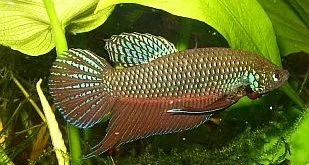
Emerald betta
Betta smaragdina
A small betta of northeastern Thailand and Laos, with a green and blue shimmer. Escaped bred bettas threaten it.
- Size
- Up to 7 cm
- Water
- Freshwater
- Native to
- Thailand and Laos, in the Mekong and Chao Phraya basins, including the Mun and Chi rivers in Isan, northeastern Thailand.
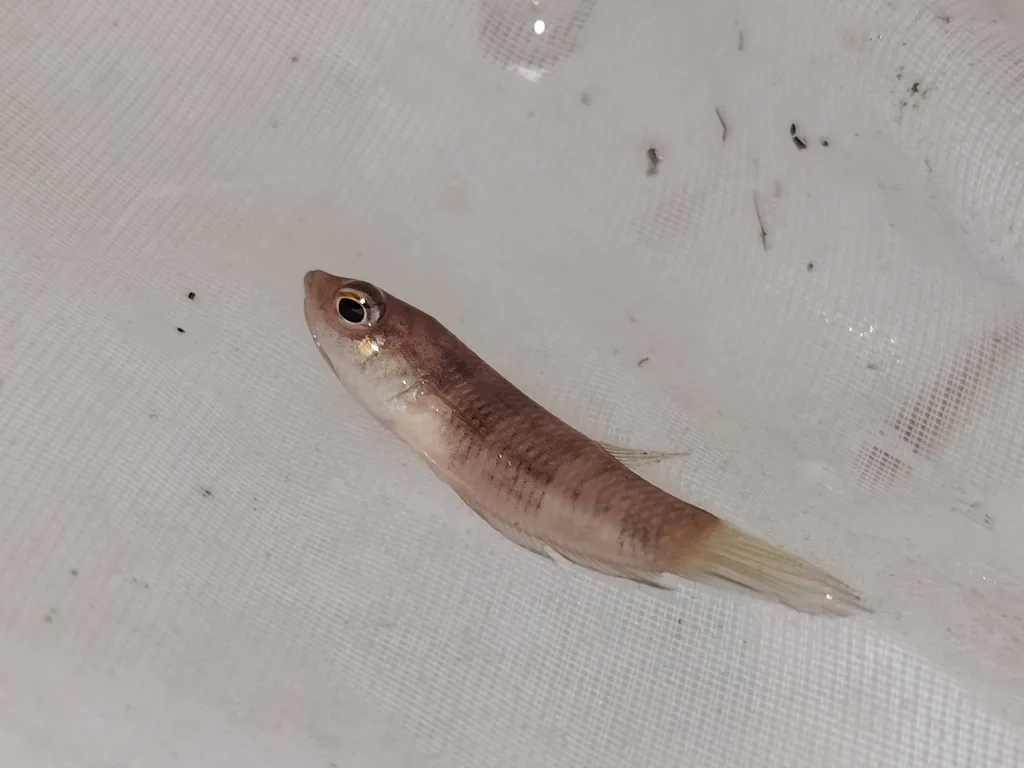
Penang betta
Betta pugnax
A wild mouthbrooding betta of Peninsular Malaysia and nearby islands. The male carries the eggs in his mouth.
- Size
- Up to 7 cm
- Water
- Freshwater
- Native to
- Peninsular Malaysia, Singapore and parts of the Riau, Lingga and Anambas islands and Sumatra.
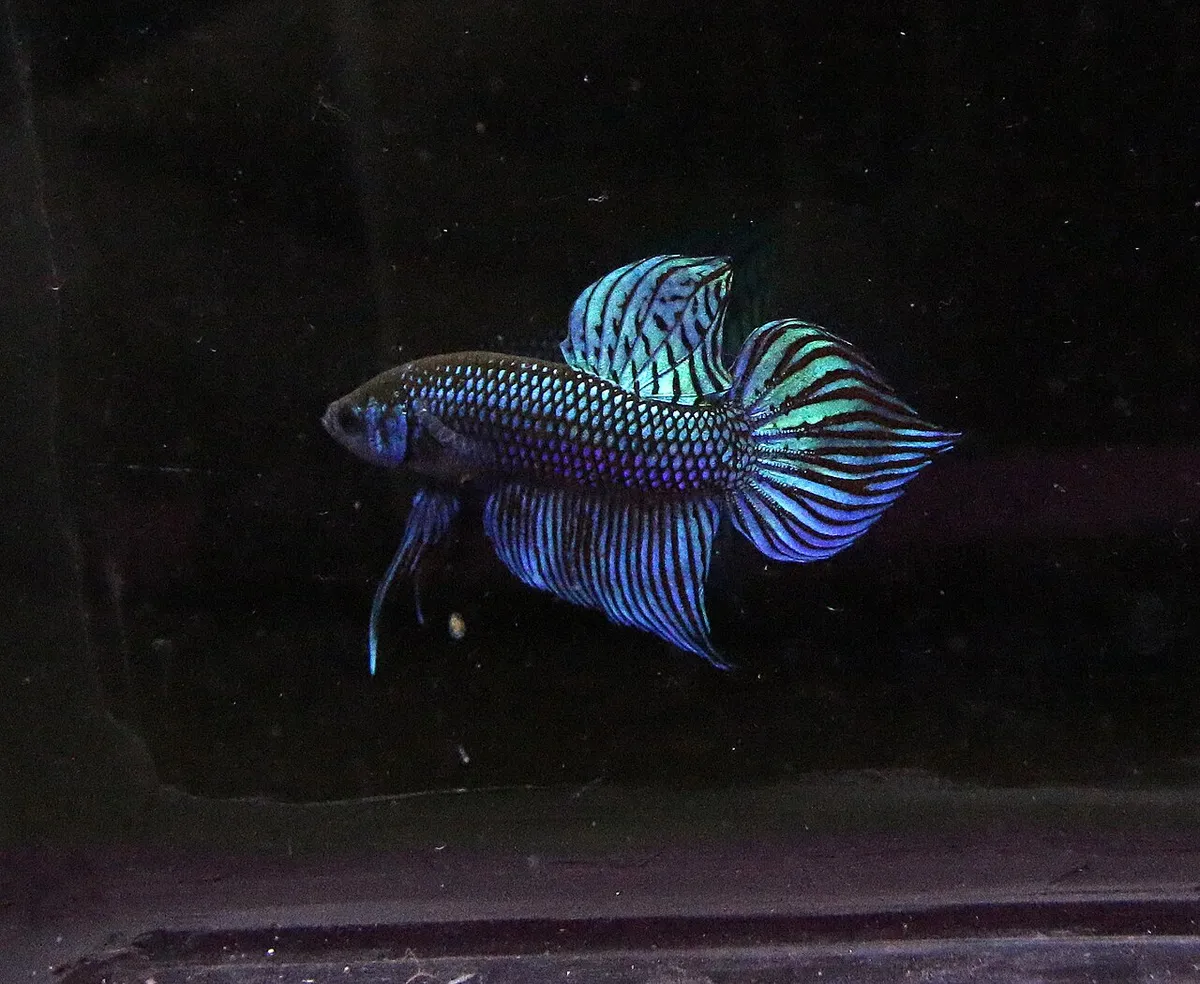
Mahachai betta
Betta mahachaiensis
The only betta known to live in both fresh and brackish water. It is critically endangered.
- Size
- Up to 6 cm
- Water
- FreshwaterBrackish
- Native to
- Near the Gulf of Thailand: Samut Sakhon province, west of Bangkok, and a small area of Samut Prakan province.
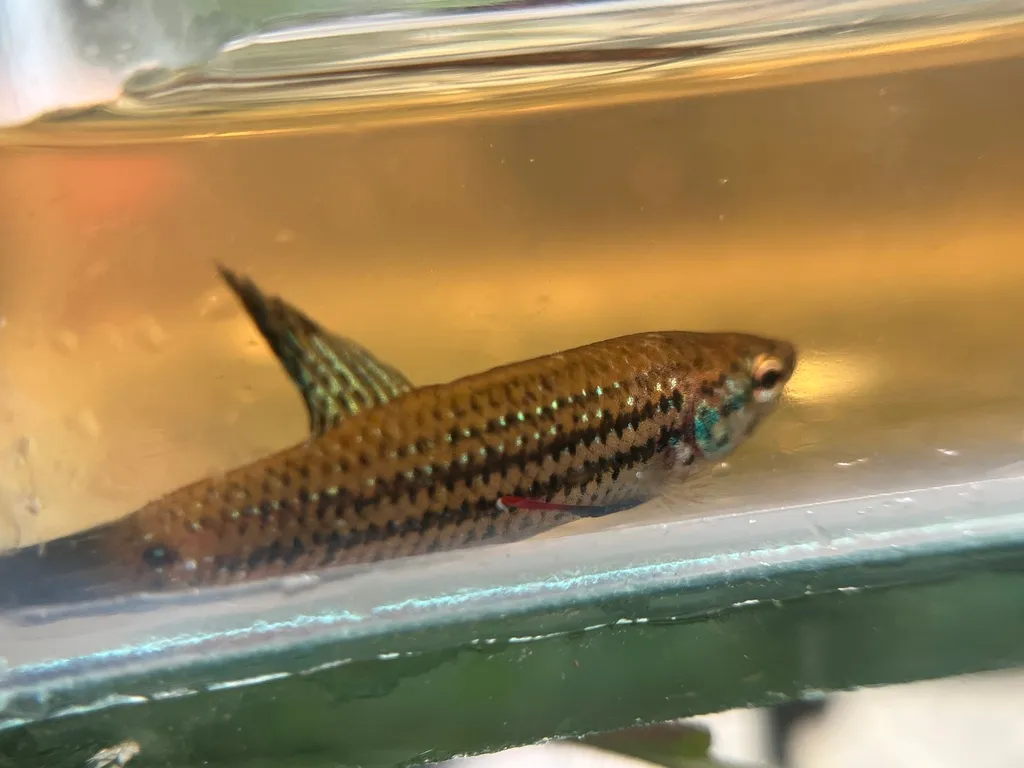
Peaceful betta
Betta imbellis
A small betta that lives in Southeast Asian waters. Males fight each other, especially when breeding.
- Size
- Up to 6 cm
- Water
- Freshwater
- Native to
- Southern Thailand, Malaysia and Indonesia.
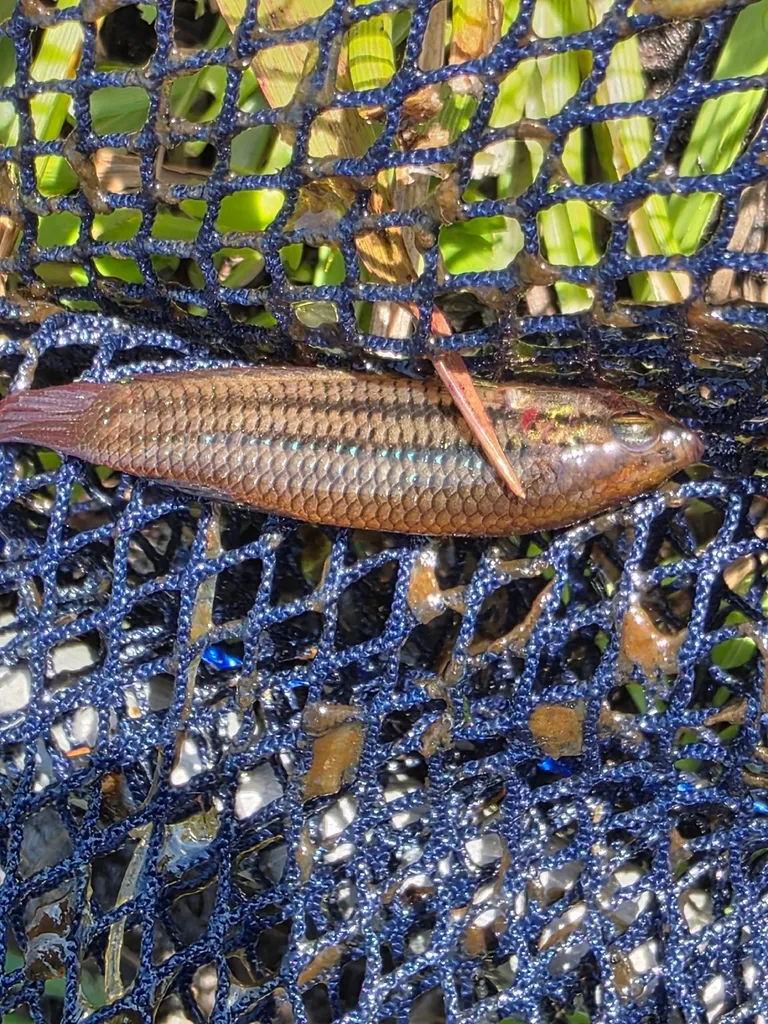
Siamese fighting fish
Betta splendens
The Siamese fighting fish. Wild fish are small and dull; the bred forms below come from this species.
- Size
- Up to 6 cm
- Water
- Freshwater
- Native to
- Southeast Asia; captive ornamental strains are widely bred.
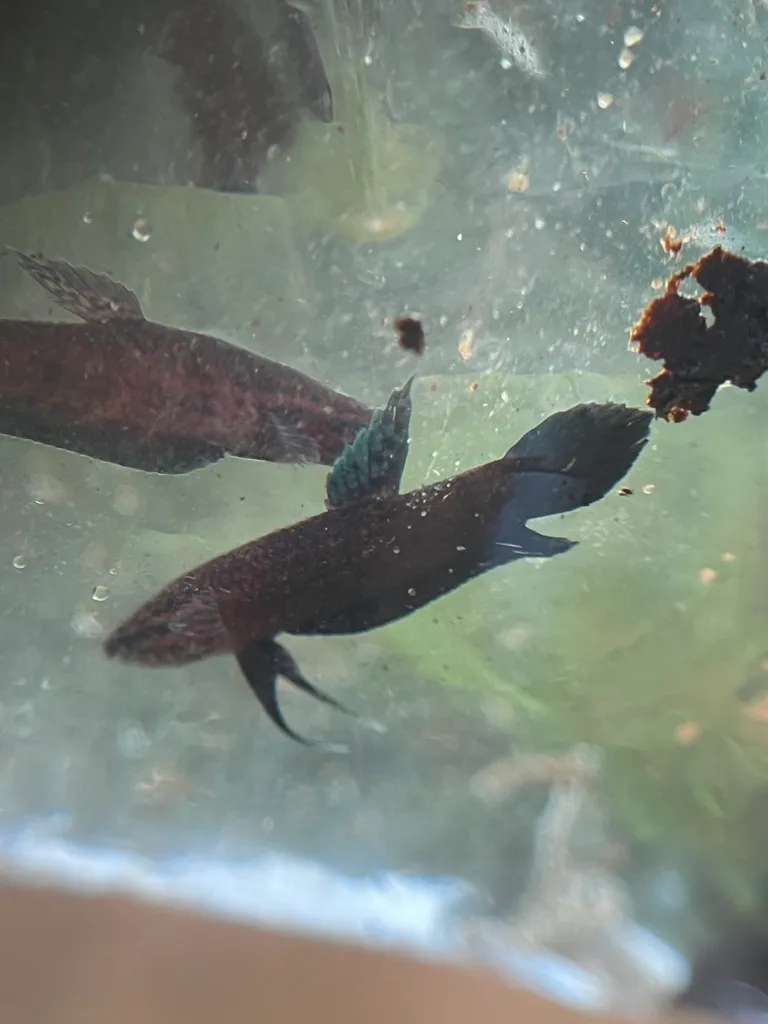
Betta persephone
Betta persephone
A dark wild betta of peat-swamp pools in Johor.
- Size
- Up to 3.2 cm
- Water
- Freshwater
- Native to
- Johor peat swamps in Peninsular Malaysia; the relationship to Bintan populations remains a taxonomic issue.
Tail and fin types
Fancy bettas are grouped by the shape of their tail fin. The veiltail has a long, drooping tail like a tear drop and is one of the oldest and cheapest forms. The halfmoon has a tail that spreads to a full half circle, 180 degrees, when the fish flares.
The crowntail has very little webbing between the fin rays, so its fins look spiky. A comb-tail is a milder version with shorter extensions. The delta has a triangle-shaped tail that spreads less than 180 degrees.
The plakat has short fins and looks closest to a wild betta. It comes from fish once bred to fight. A double tail has two separate tail lobes and a short, stout body. Double tails come as halfmoons, plakats and crowntails.
Some names describe one feature and can go with any tail type. A dumbo, or elephant ear, betta has large pectoral fins.
Colours and patterns
The main colours are red, orange, yellow, green, turquoise, blue, steel, black and white, and many have a metallic sheen. Breeders also use names for patterns.
A dragonscale betta has metallic scales over most of its body. A butterfly betta has one body colour that turns white or see-through at the edges of the fins. A marble betta has irregular patches of dark and light, and its colours can change over time. A koi betta is a marble with red and black patches on a pinkish white body, like a koi carp.
Sources
Last checked 23 November 2026
Photo credits
- Emerald betta: R.J. Blach / Wikimedia Commons · CC BY-SA · Source
- Penang betta: (c) Ooi Qie, some rights reserved (CC BY) · CC BY · Source
- Mahachai betta: StarboundBettas / Wikimedia Commons · CC BY-SA · Source
- Peaceful betta: (c) Zakqary Roy, some rights reserved (CC BY) · CC BY · Source
- Siamese fighting fish: (c) Marcello Mastroianni Albuquerque Araújo, some rights reserved (CC BY) · CC BY · Source
- Betta persephone: (c) Zakqary Roy, some rights reserved (CC BY) · CC BY · Source

